
This is a continuation of 2025 fall photography in Indiana.


Thanks for following, (and, yes, there will be more fall photos),
Ken
This is a continuation of 2025 fall photography in Indiana.
Thanks for following, (and, yes, there will be more fall photos),
Ken
More 2025 fall photogrphy in Indiana.


Thanks for following and more fall photos to come,
Ken
More 2025 fall photography in Indiana.


Thanks for following and stay tuned for more 2025 fall photos,
Ken
Indiana Fall Photography 2025.


Thanks for following and stay tuned for more Indiana Fall,
Ken
Indiana Fall Photography 2025.


Thanks for following and there are more fall photos to come,
Ken
Fall photography in Indiana 2025.
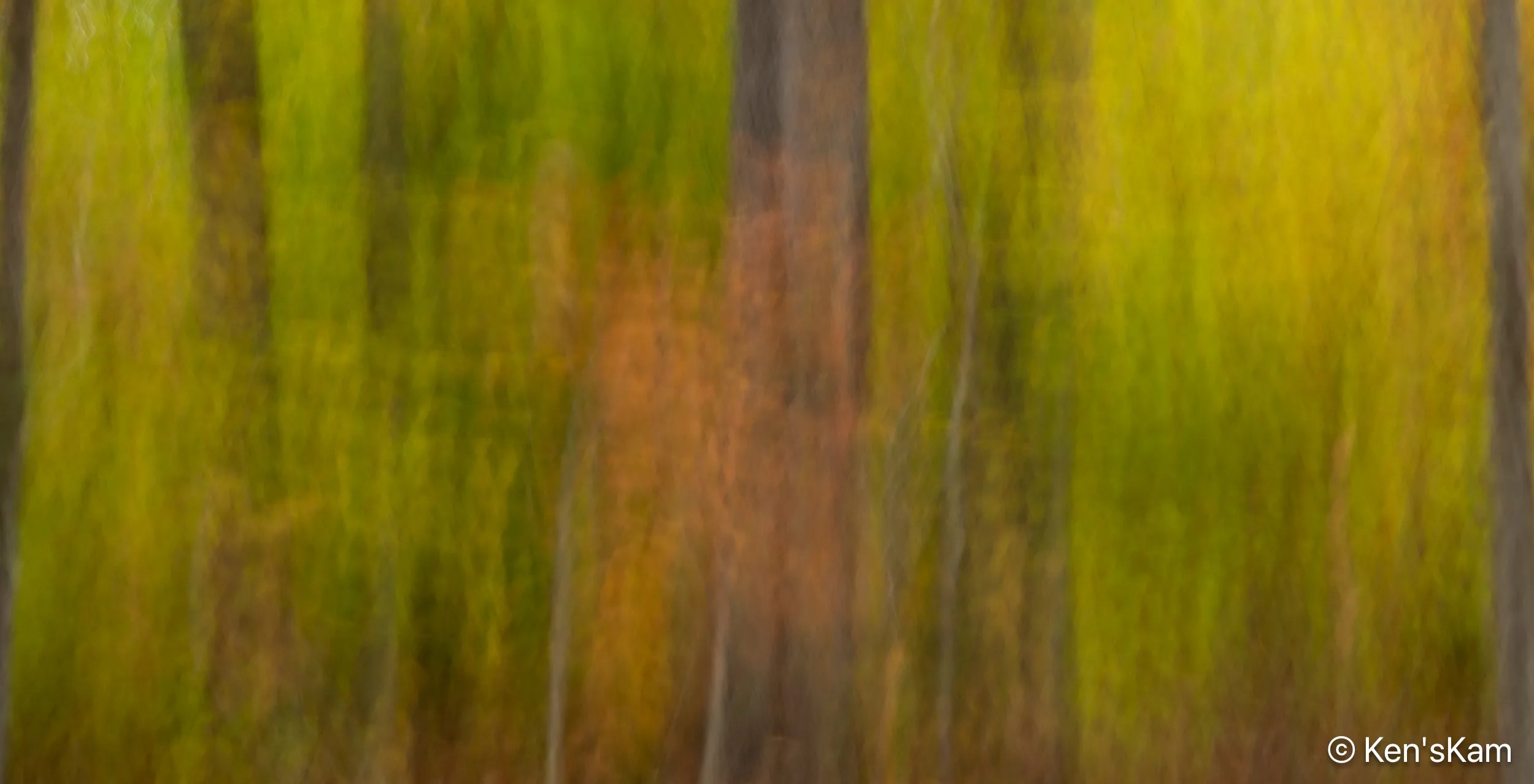
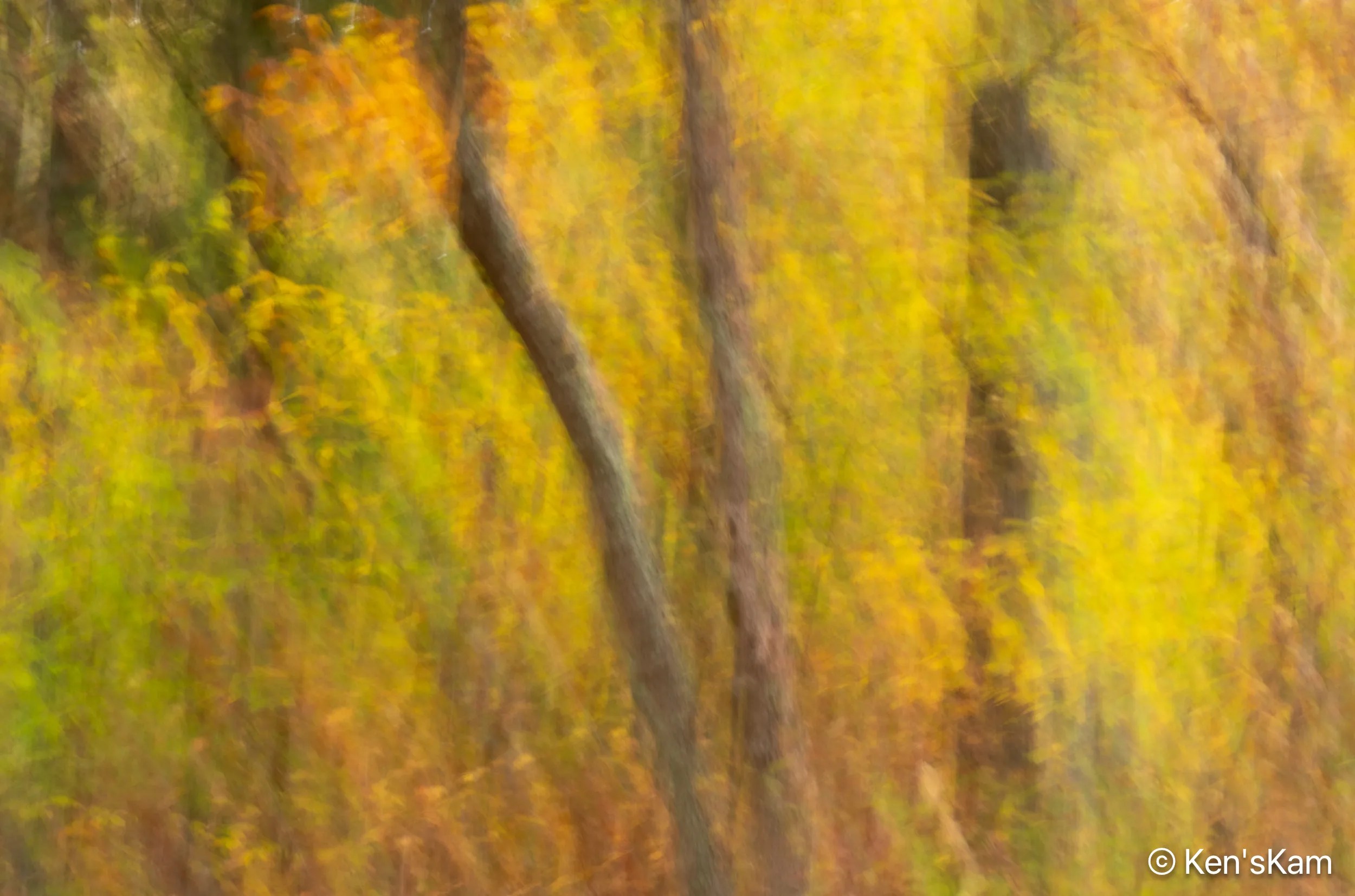

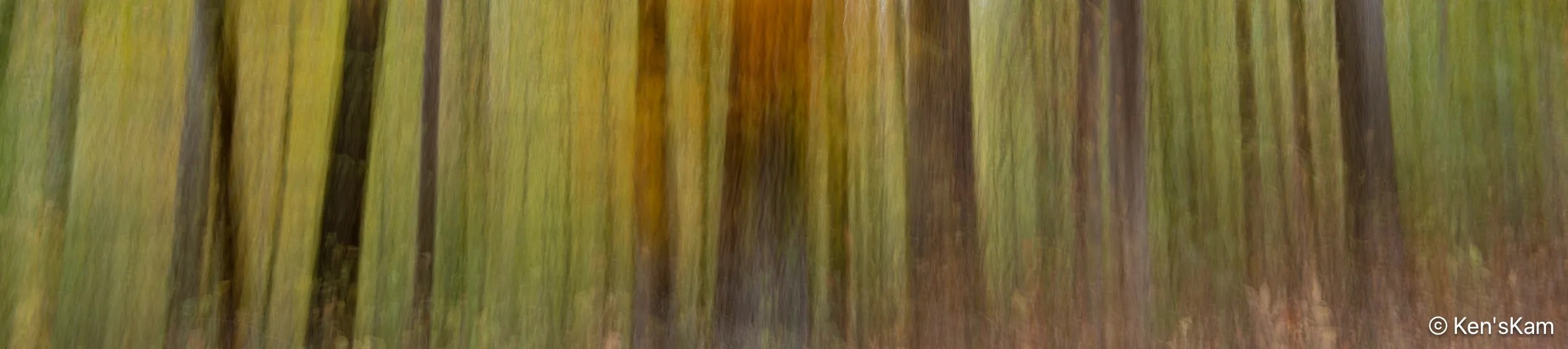
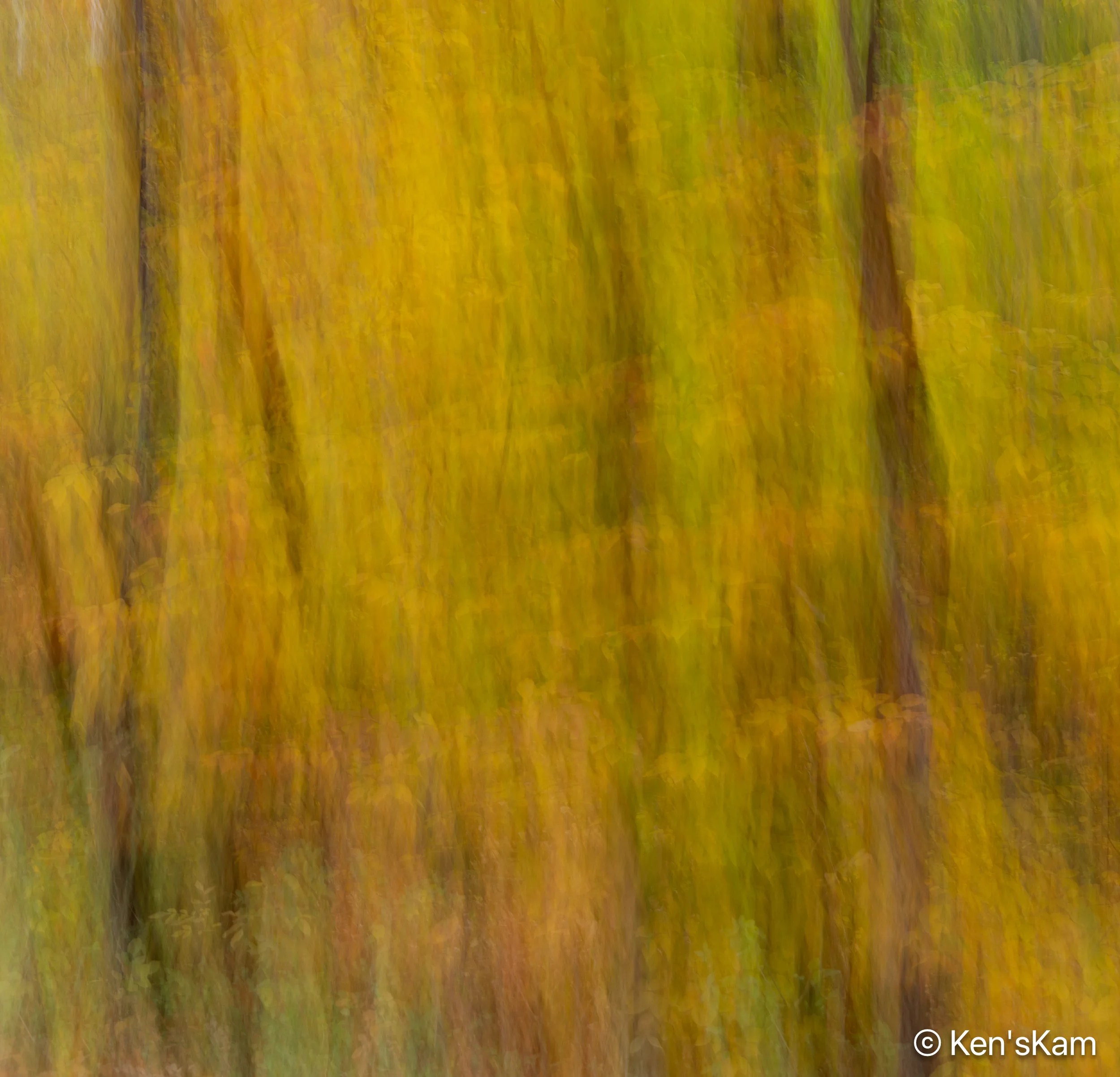
Returning from one of my morning shoots, I made a wrong turn on my way back to the cabin and accidentally found another great place to shoot fall color along an Indiana backroad. I returned to this backroad later for a morning shoot.


Stay tuned for more Indiana Fall Photos,
Ken
More 2025 fall photos from Indiana.


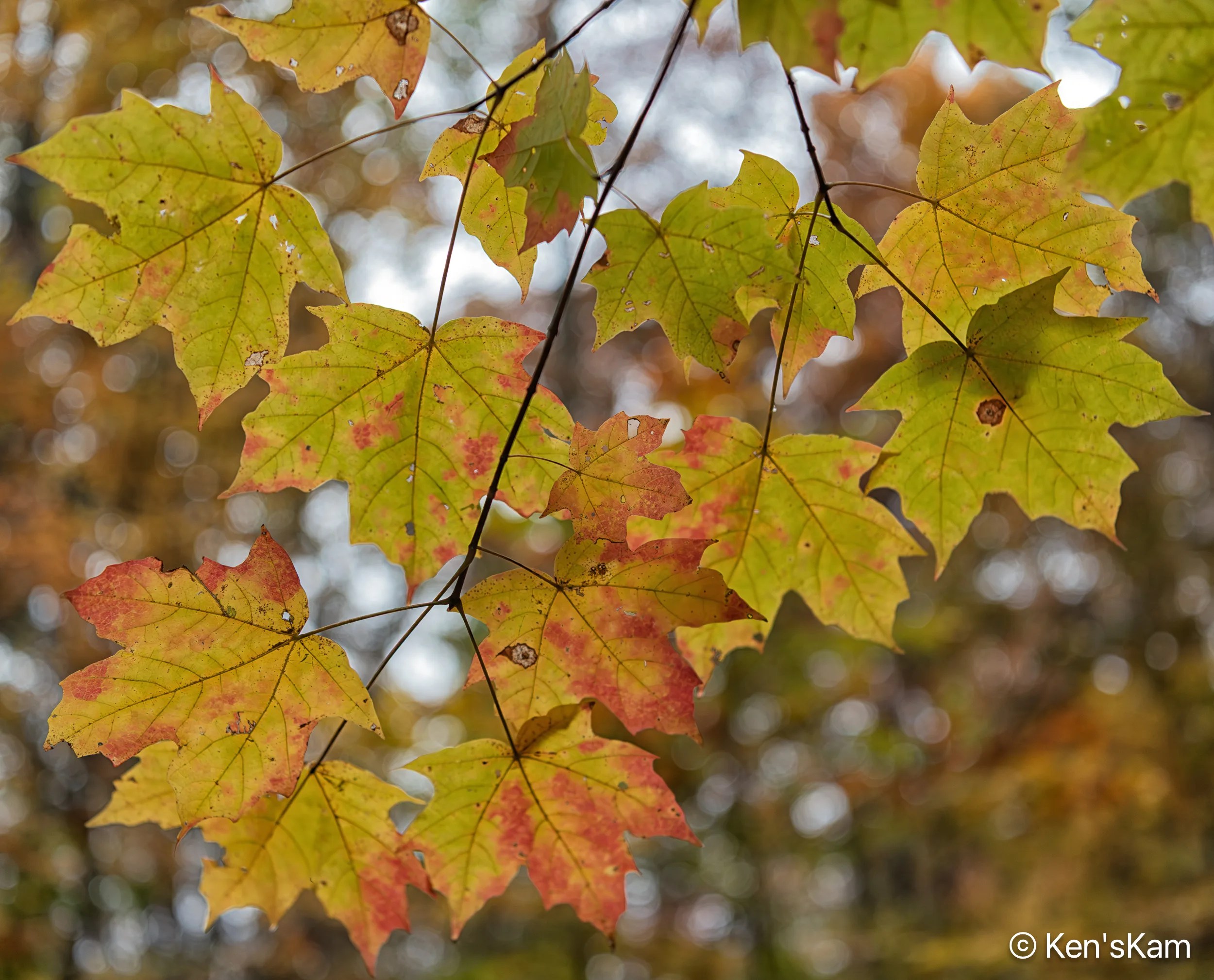


More 2025 Indiana Fall photos to come,
Ken
Photos from hiking in an Indiana fall forest.


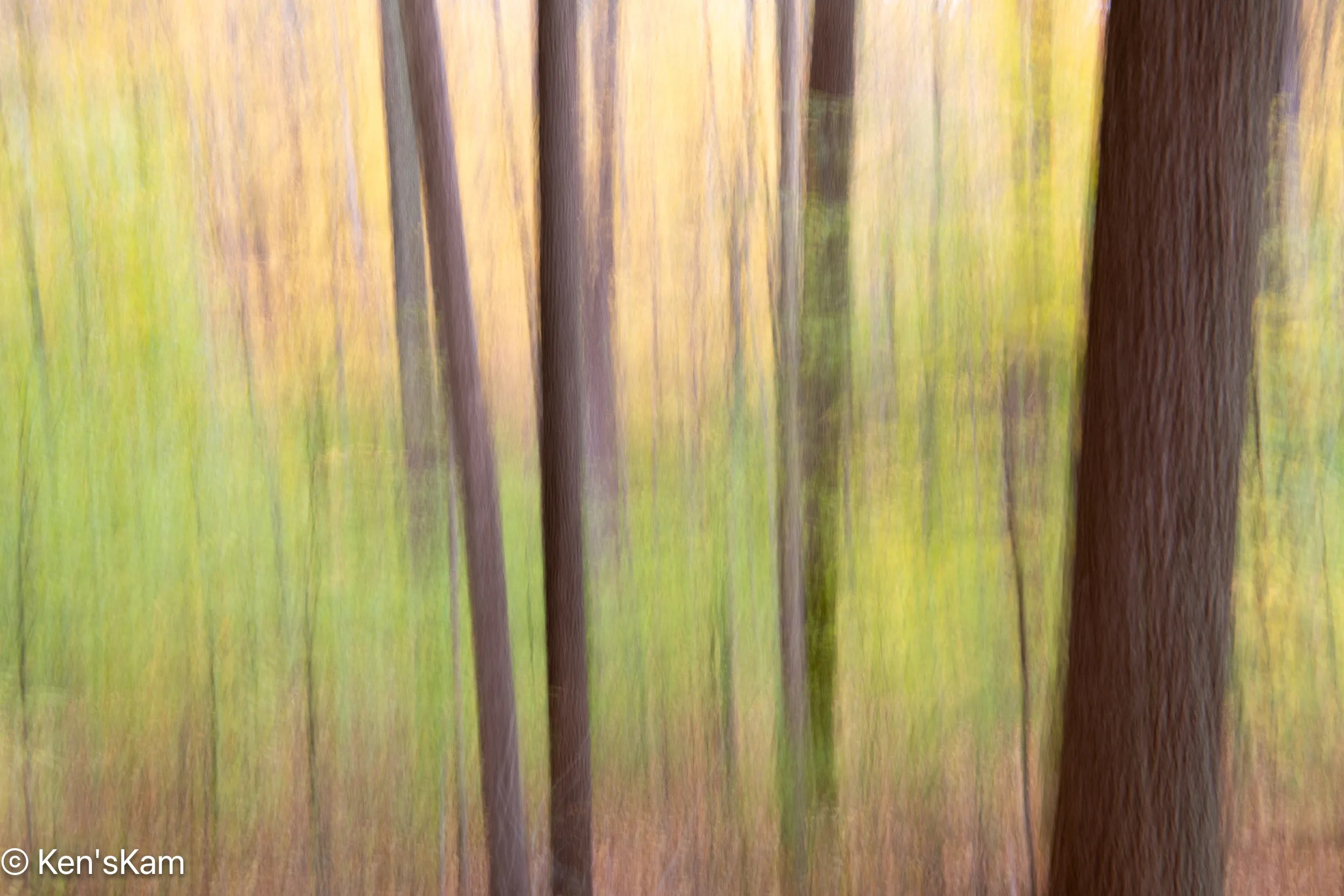
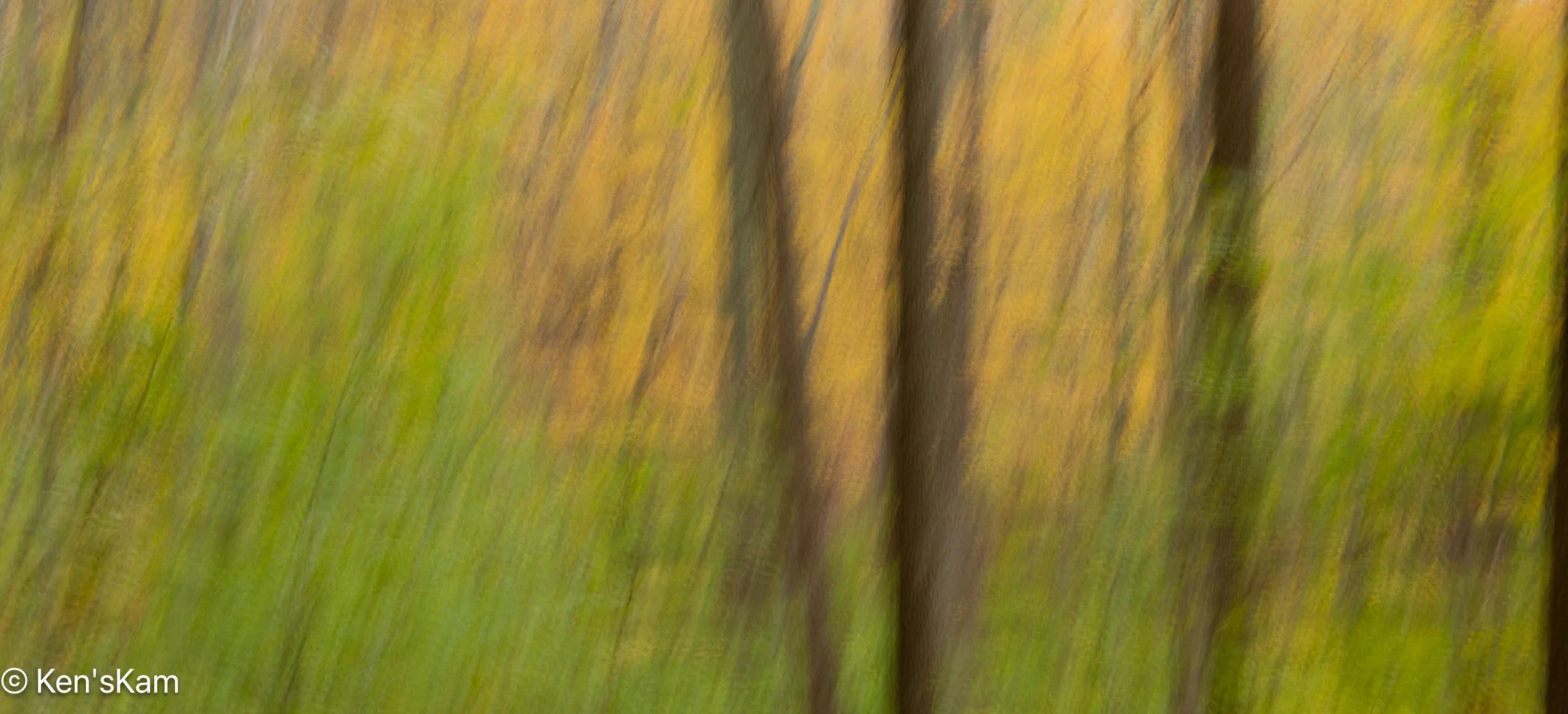
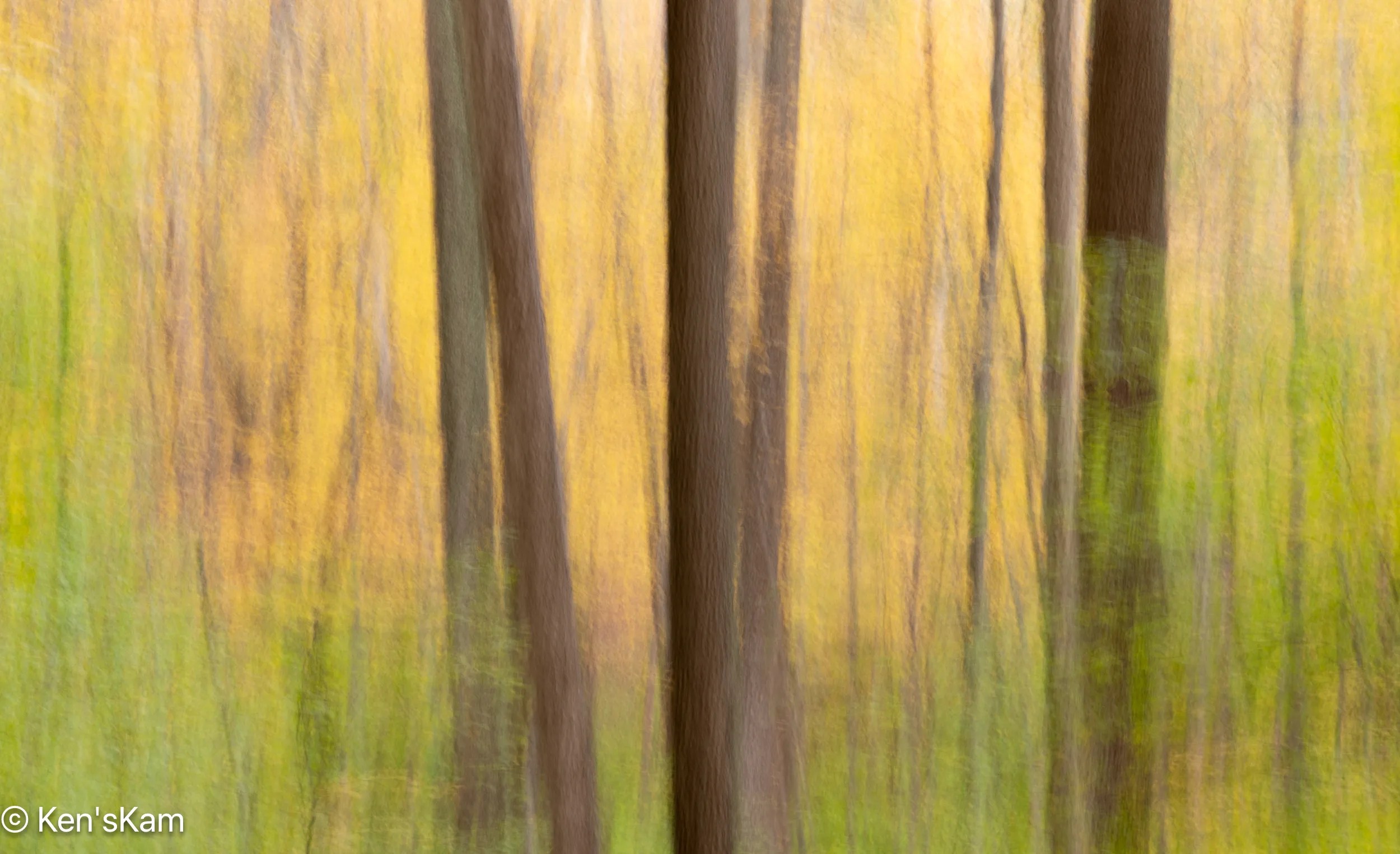
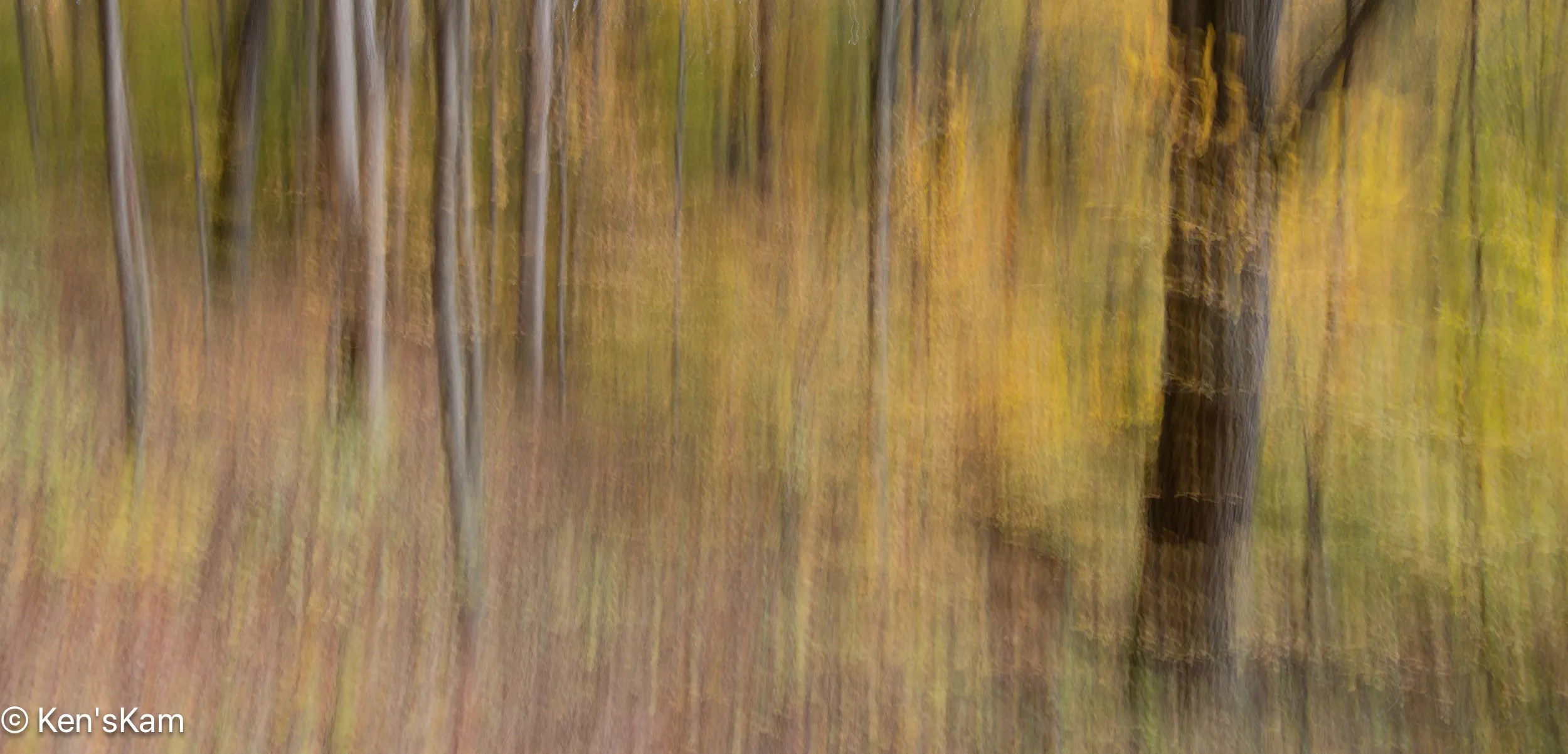
Whenever I think the ordinary forest scene photography is getting too repetivive and boring, I sometimes resort to ICM (Intentional Camera Movement) images. These are fun to do and there are no complicated rules of composition to try adhering to. Just use whatever aperture you like, a suitable ISO to avoid over exposure and a slow shutter speed (I usually use 1 second) and move the camera when the shutter is open. I think vertical movement yields the best results for vertical things, like trees, but other motions can be experimented with. Varying the speed at which the camera is moved yields different effects.


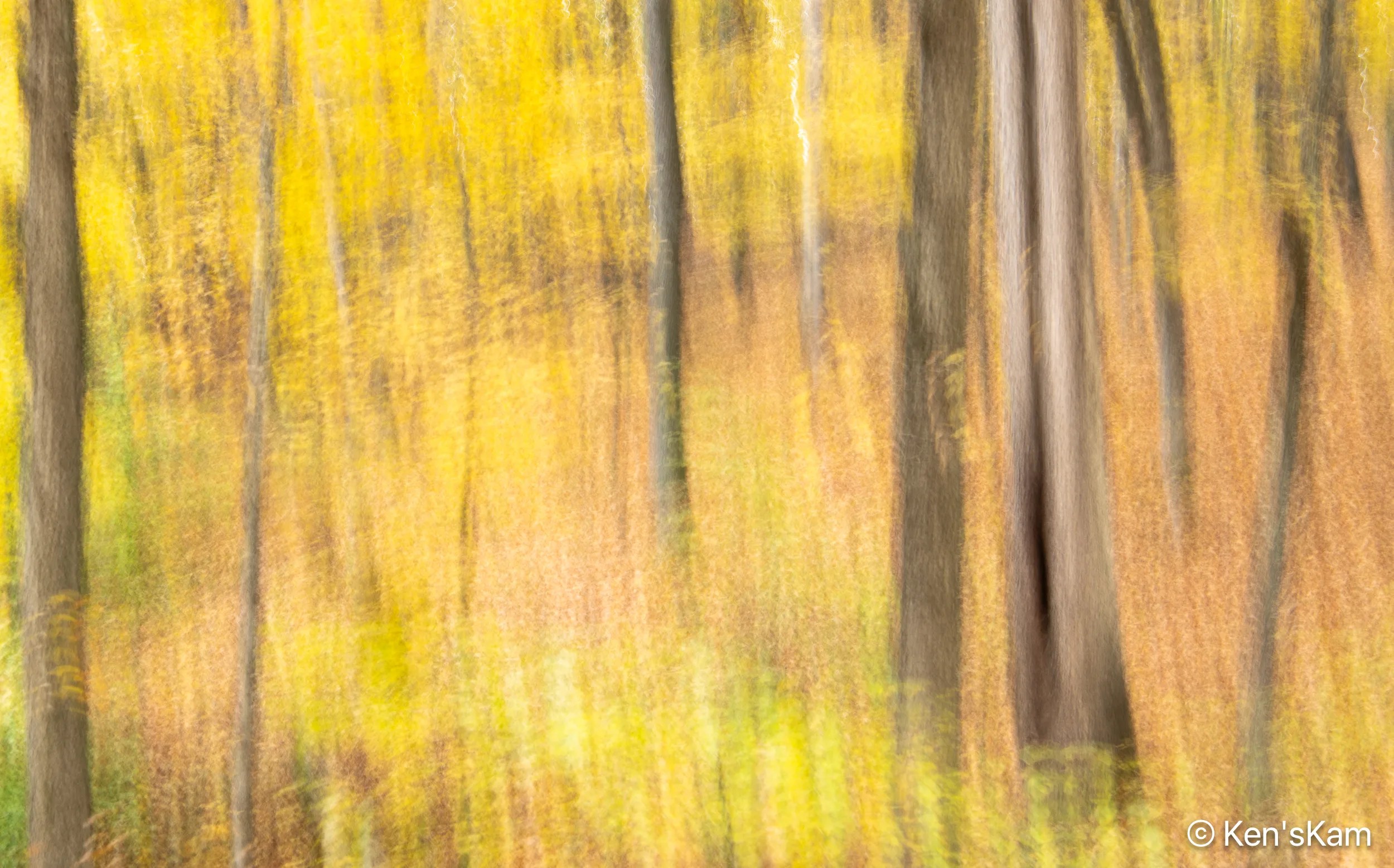
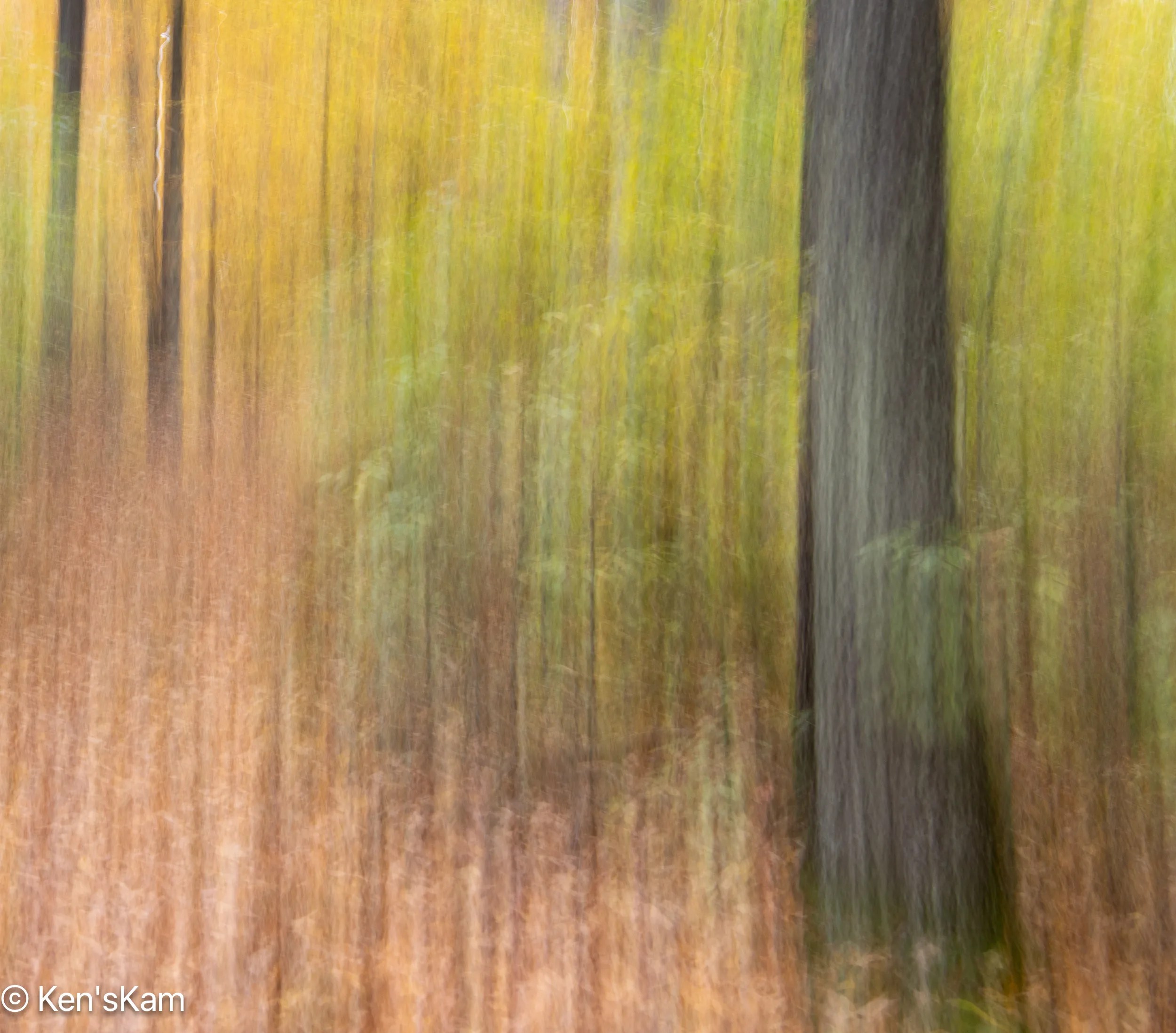
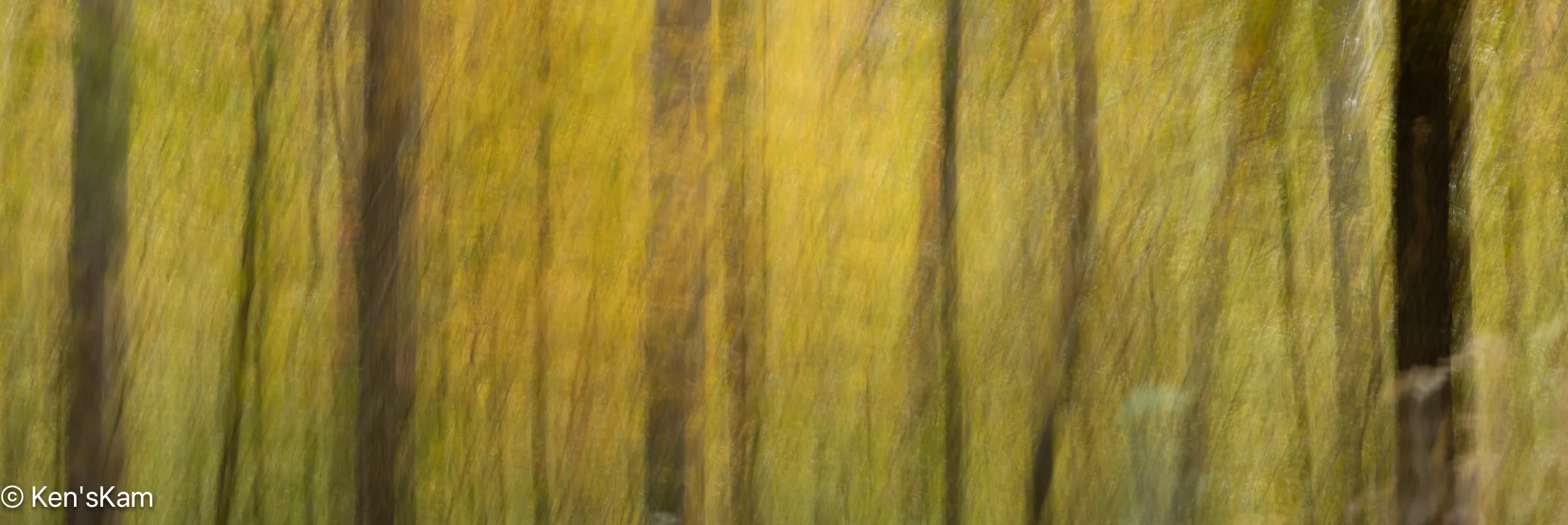

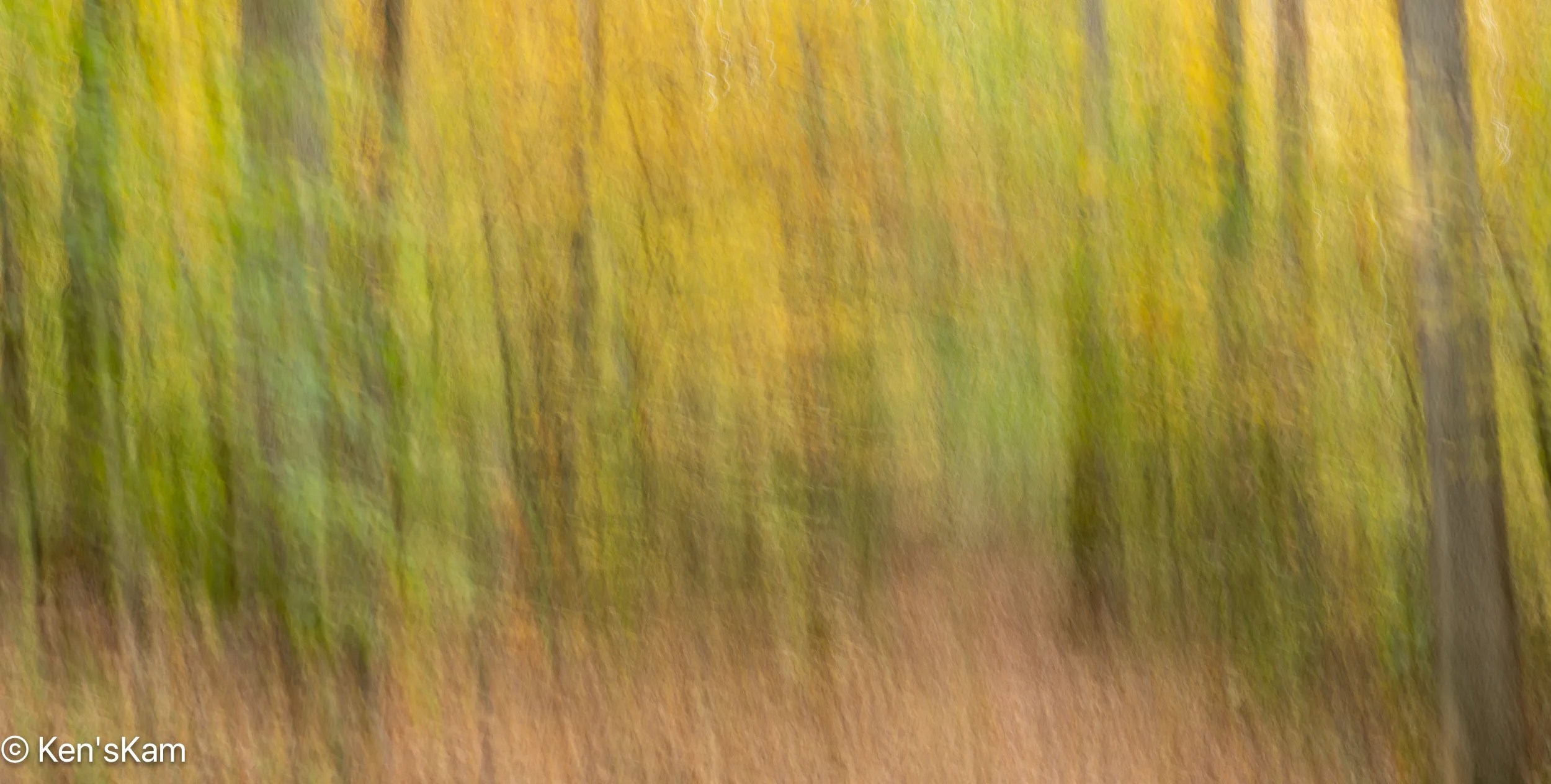
I suppose some might think these ICM images are similar and can become monotonous, too; but these are such fun to do that it can become addictive. These images were all created with a Nikon DSLR with a 24-70mm lens, but there are apps for phone cameras that allow such images to be created with your phone camera.
Stay tuned for more Indiana 2025 fall photos,
Ken
This is a continuation of fall photography in Indiana in the fall of 2025.

‘Forest Creature’ was chosen for Flickr’s Explore page, but I like ‘Poised to Strike’ better.


The photos above were all made, while hiking through an Indiana fall forest.
These below were all made in an Indiana creek that crosses an Indiana backroad.

Ok, I’ll admit to placing those leaves around the tire sidewall. Firstly, it is a shame that folks discard such items in manners that are detrimental to our environment. Secondly, other than photo documenting this litter, it might as well be dress up a little.

‘Leaf, Rock, Camera’ is an obvious allusion to the game “Rock, Paper, Scissors”.


Stay tuned for more Indiana fall photos,
Ken
Another year and another fall in Indiana. This year was much different than the previous few. Drought and a warm fall resulted in sporadic color change in the local trees and forests.
It was just after mid-October, when we arrived in Indiana, a time when the local forest fall foliage would normally be highly apparent. This year many trees were still fully green, a few had already changed almost completely and other were just exhibiting the seasonal change in color.
The “peak”, if it can be called that this year, came the first week in November and it was muted, compared to a “normal” year. I’m afraid this will become the “normal” in the future as climate change, which is not a “hoax”, continues its rapid advance.


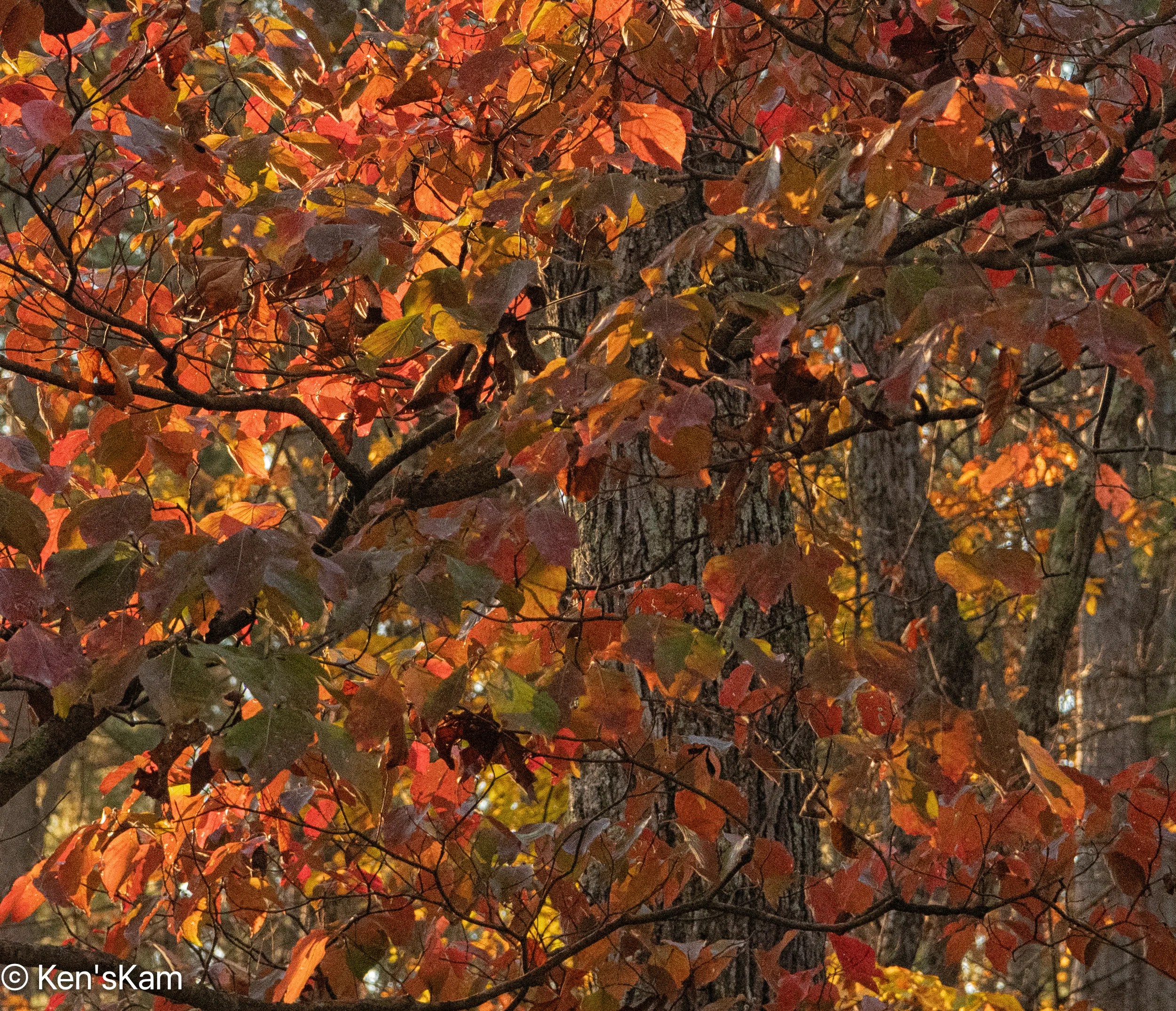
For these ICM (Intentional Camera Movement) abstract images in a forest, one can include the sky or exclude it. I find that I prefer those images with the sky limited or excluded, which usually requires cropping the image in post processing.

The direction of the light is also a factor in these image. Side light produces alternating light and dark patterns across the image, which I tend to prefer.


Stay tuned for more fall impressions,
Ken