
More 2025 fall photogrphy in Indiana.


Thanks for following and more fall photos to come,
Ken
More 2025 fall photogrphy in Indiana.
Thanks for following and more fall photos to come,
Ken
More 2025 fall photography in Indiana.


Thanks for following and stay tuned for more 2025 fall photos,
Ken
Photos from hiking in an Indiana fall forest.


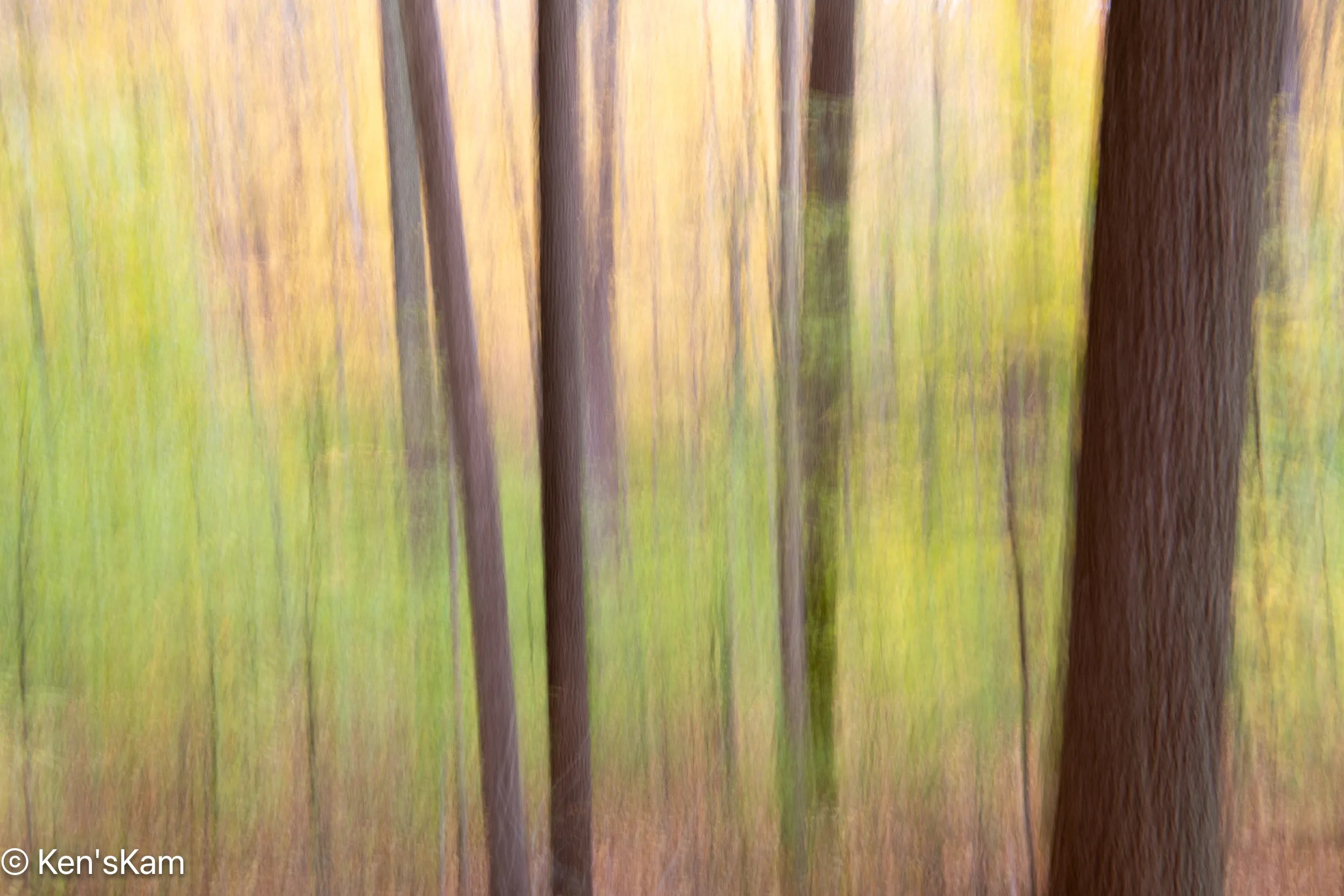
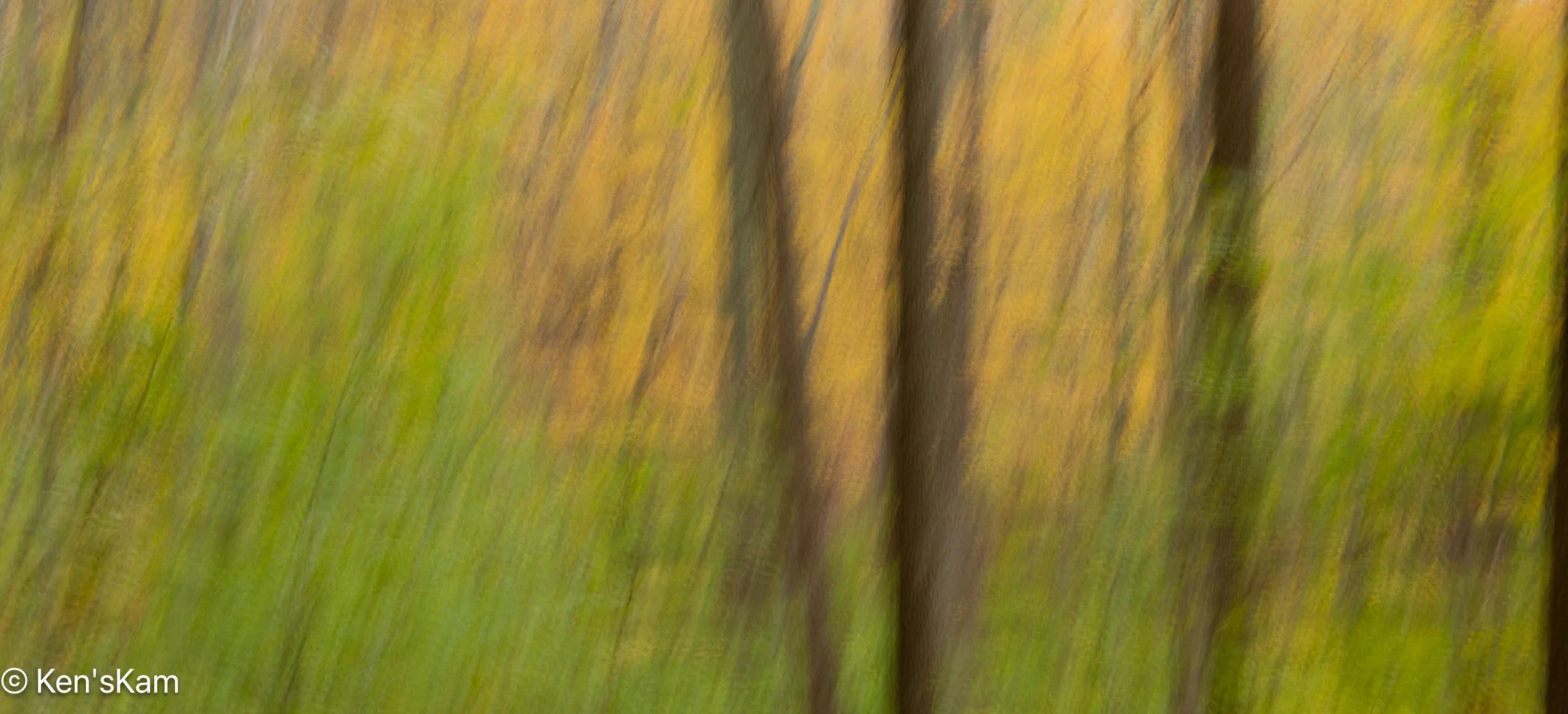
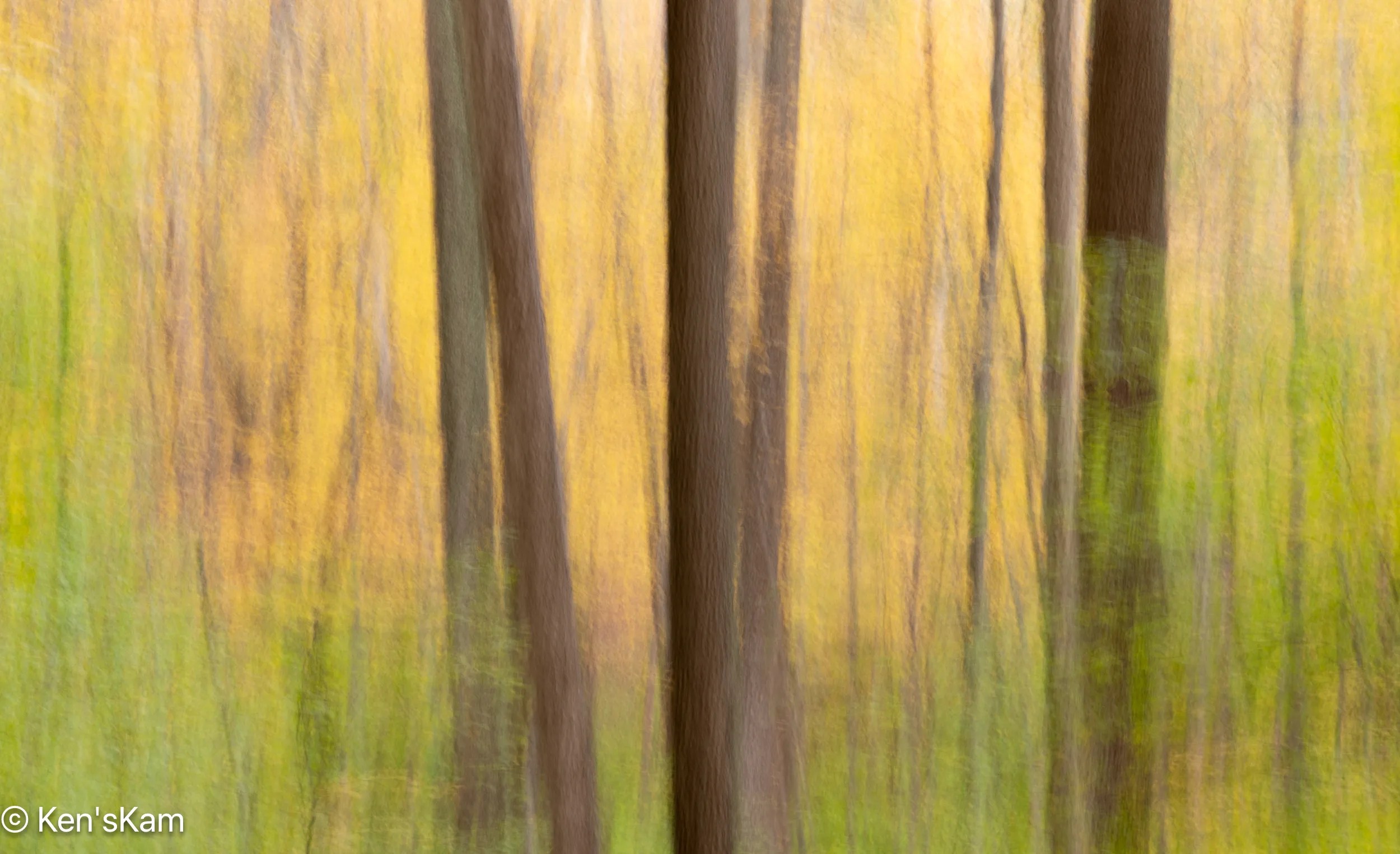
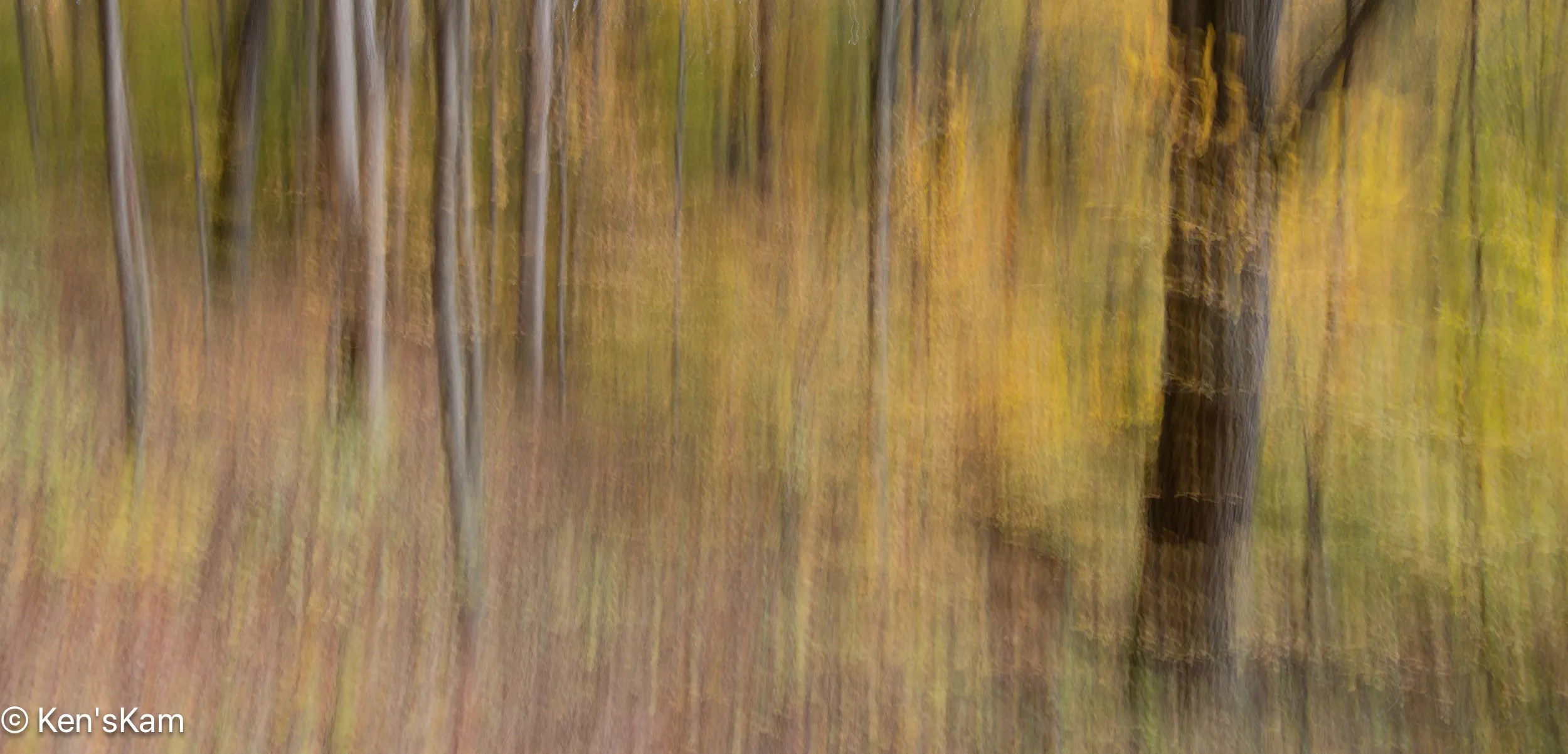
Whenever I think the ordinary forest scene photography is getting too repetivive and boring, I sometimes resort to ICM (Intentional Camera Movement) images. These are fun to do and there are no complicated rules of composition to try adhering to. Just use whatever aperture you like, a suitable ISO to avoid over exposure and a slow shutter speed (I usually use 1 second) and move the camera when the shutter is open. I think vertical movement yields the best results for vertical things, like trees, but other motions can be experimented with. Varying the speed at which the camera is moved yields different effects.


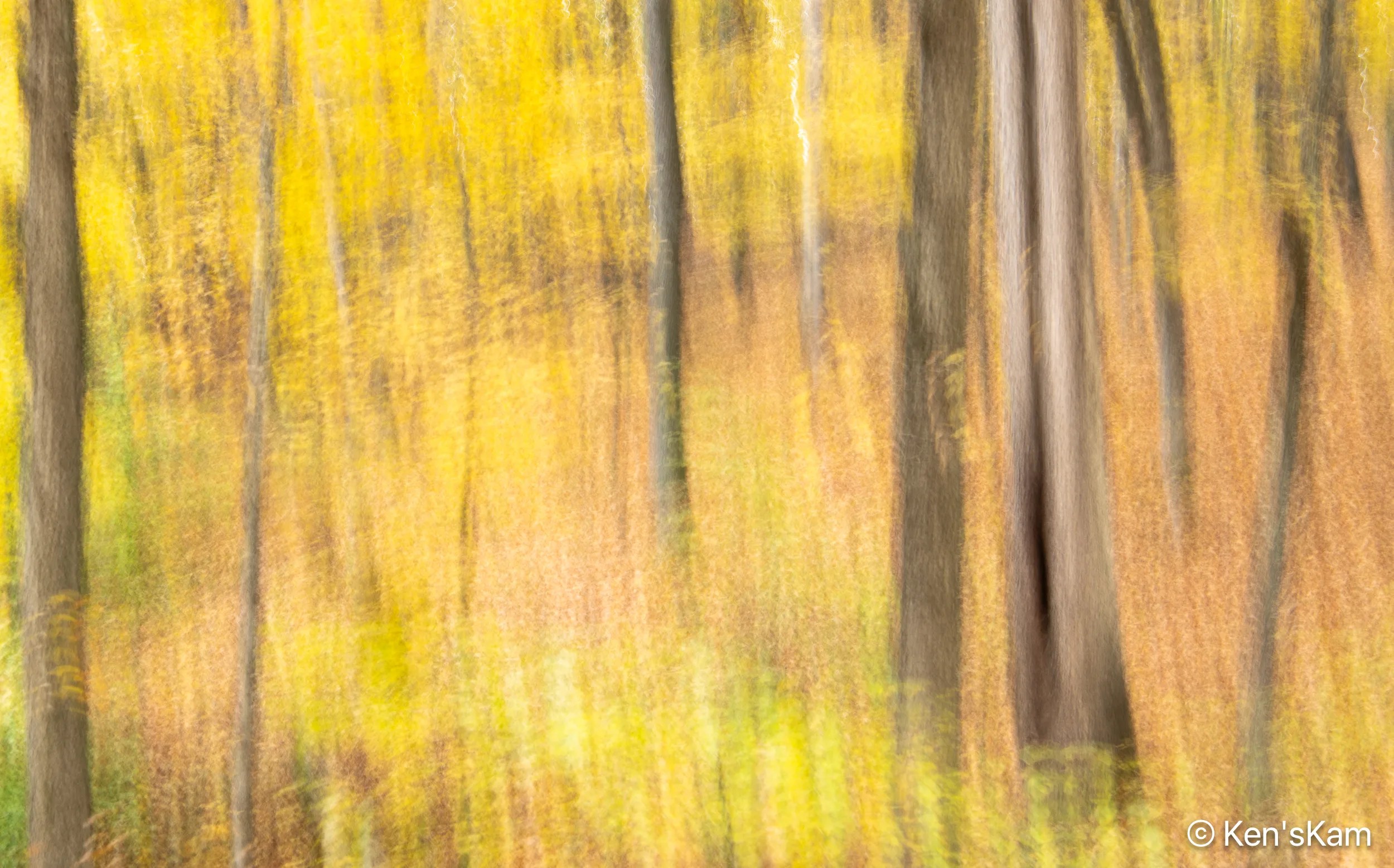
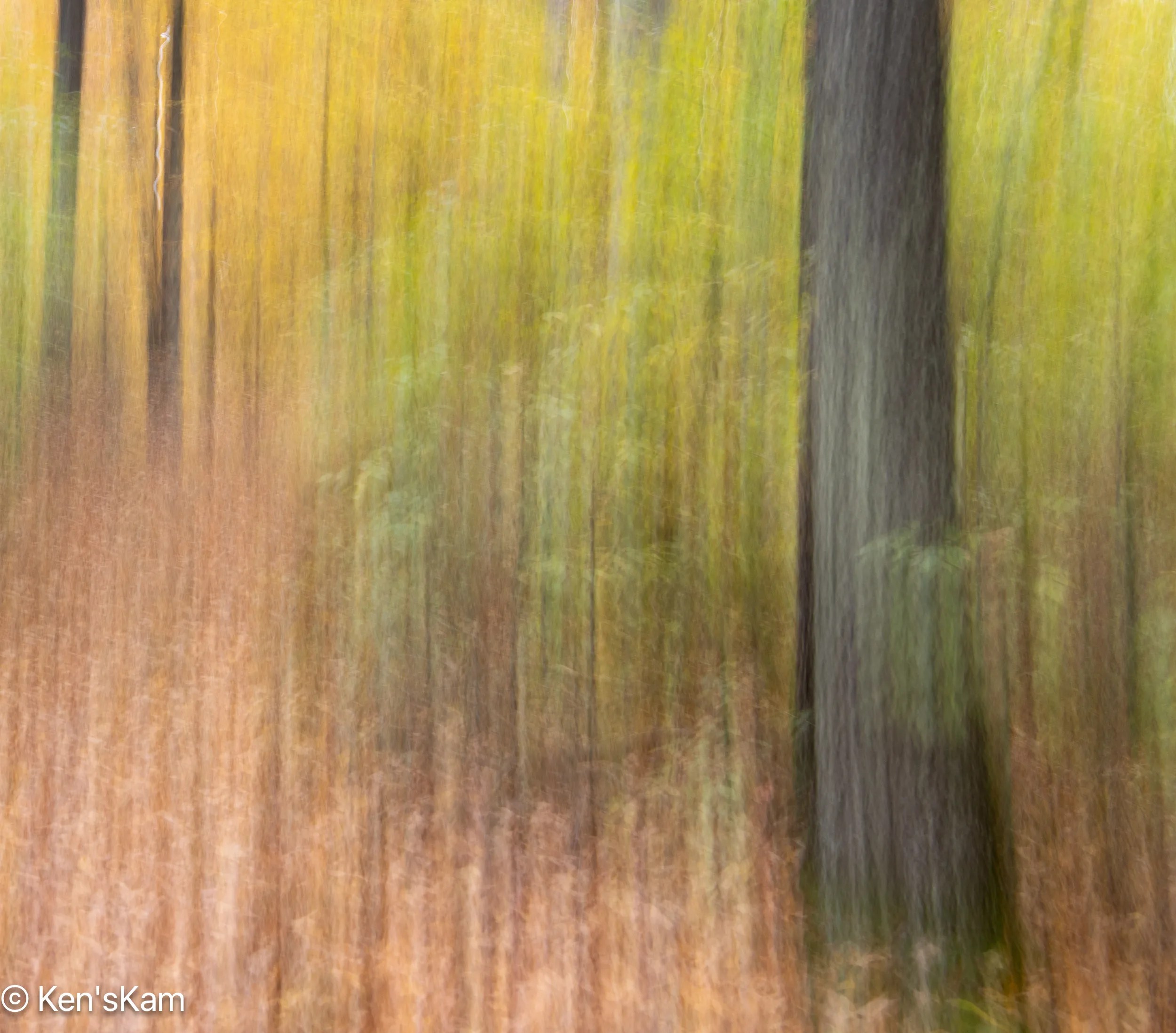
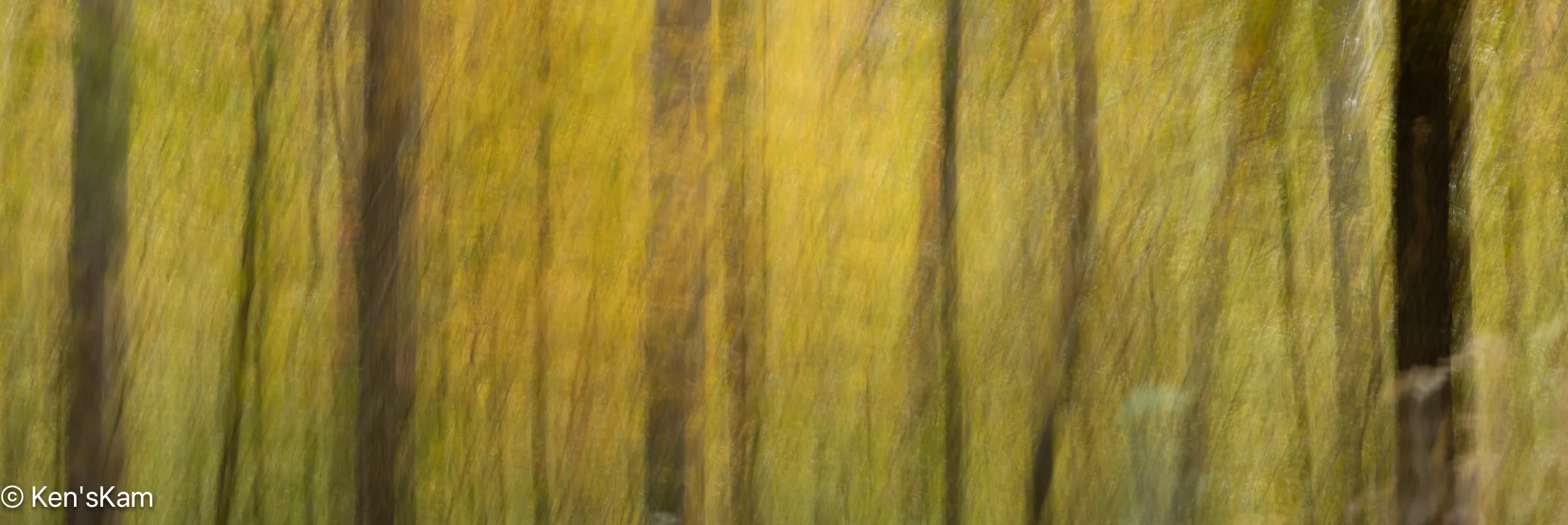

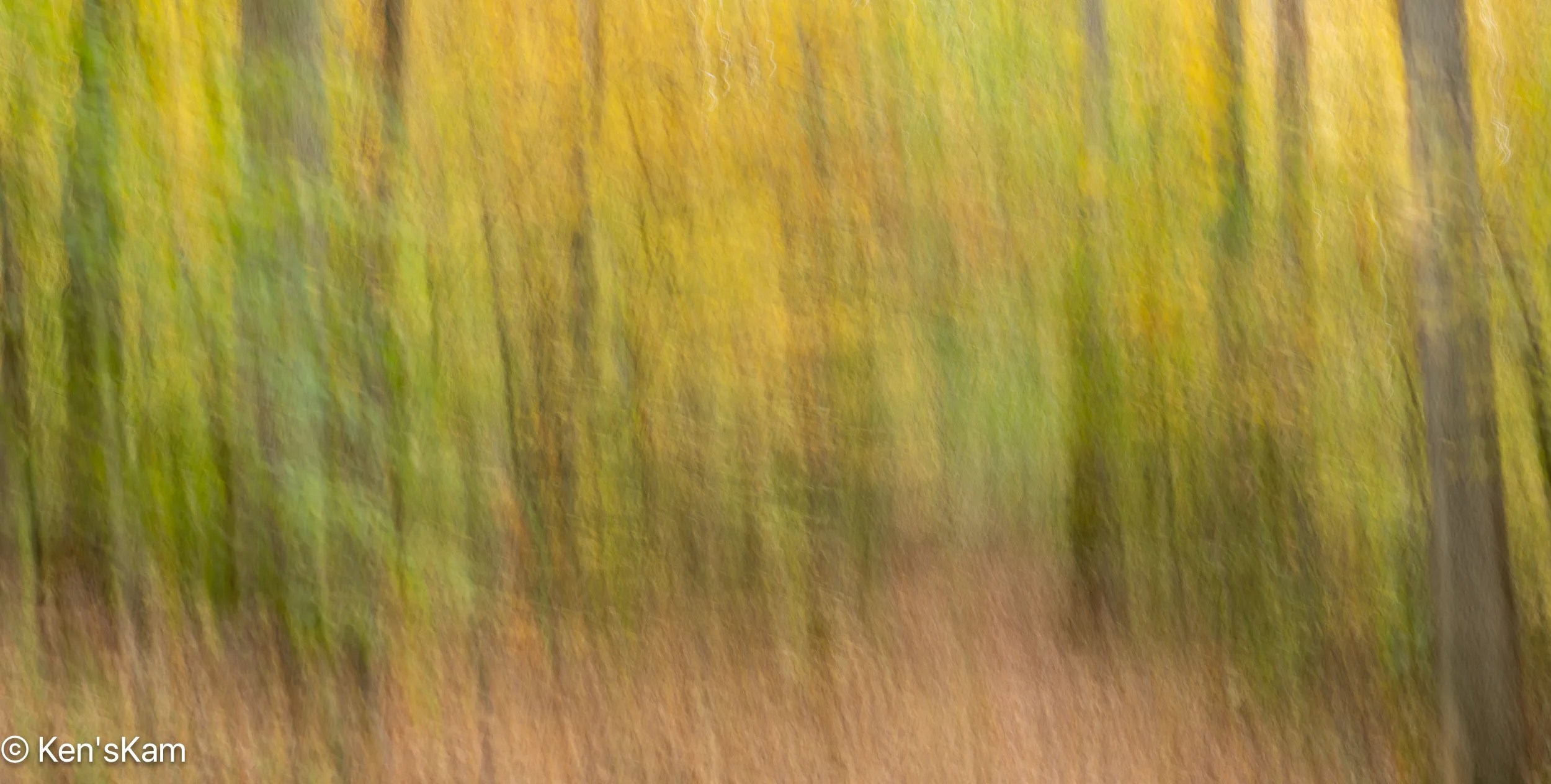
I suppose some might think these ICM images are similar and can become monotonous, too; but these are such fun to do that it can become addictive. These images were all created with a Nikon DSLR with a 24-70mm lens, but there are apps for phone cameras that allow such images to be created with your phone camera.
Stay tuned for more Indiana 2025 fall photos,
Ken
Another year and another fall in Indiana. This year was much different than the previous few. Drought and a warm fall resulted in sporadic color change in the local trees and forests.
It was just after mid-October, when we arrived in Indiana, a time when the local forest fall foliage would normally be highly apparent. This year many trees were still fully green, a few had already changed almost completely and other were just exhibiting the seasonal change in color.
The “peak”, if it can be called that this year, came the first week in November and it was muted, compared to a “normal” year. I’m afraid this will become the “normal” in the future as climate change, which is not a “hoax”, continues its rapid advance.


For these ICM (Intentional Camera Movement) abstract images in a forest, one can include the sky or exclude it. I find that I prefer those images with the sky limited or excluded, which usually requires cropping the image in post processing.

The direction of the light is also a factor in these image. Side light produces alternating light and dark patterns across the image, which I tend to prefer.
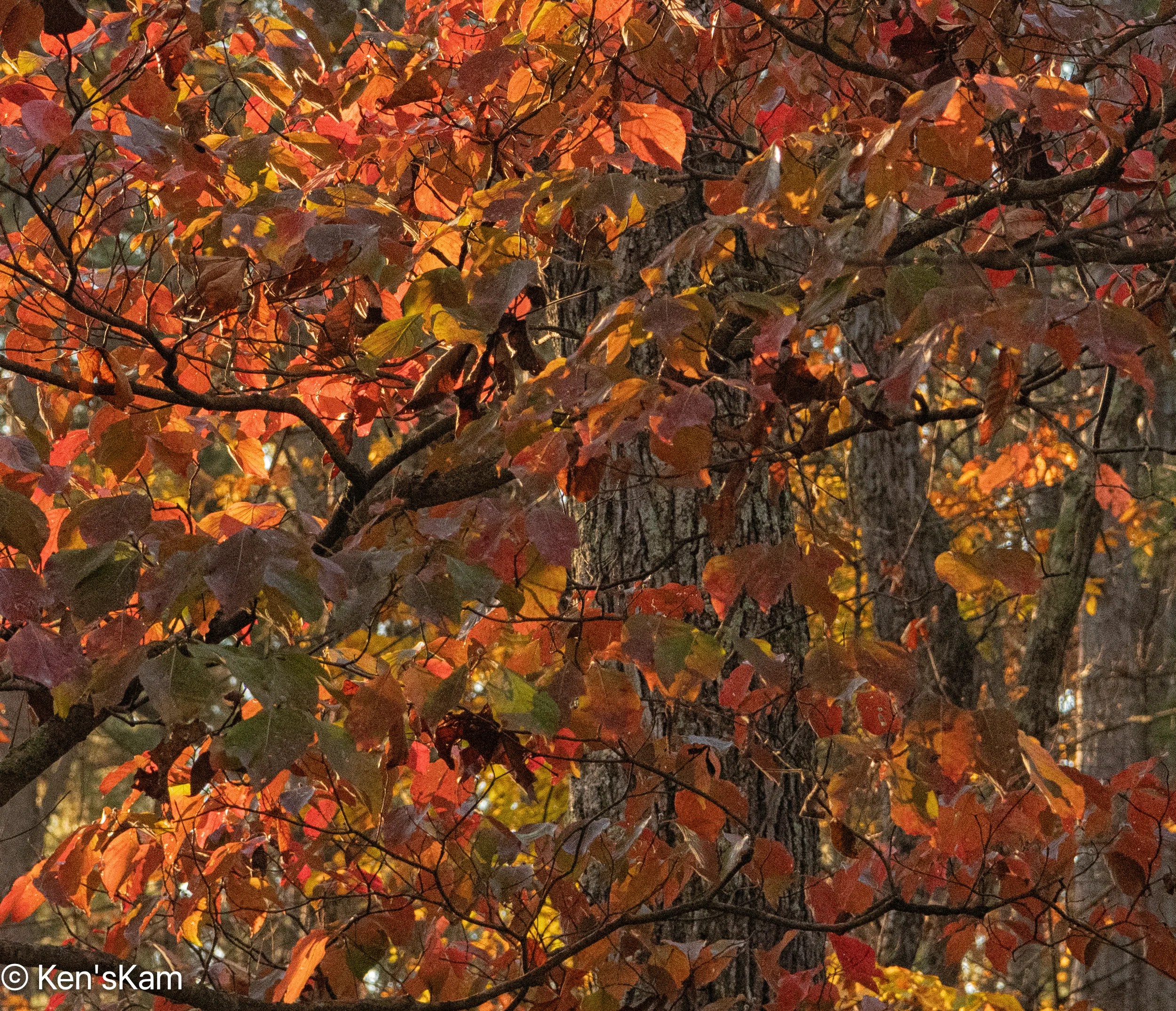


Stay tuned for more fall impressions,
Ken
In addition to experimentation with a fisheye lens this fall, I also dabbled with in camera multiple exposure techniques, which offers many possibilities. My results were mixed, ranging from images that I liked to those that were total failures. It appears that I have much to learn about this photographic technique and I will continue working this.
I used only two images and an average of the pixels for all of these images, as that seemed to be a reasonable and simple starting point. More images can be used and there are other options of how the images are combined in camera.
In this series, I will share the images that I think worthy, even if some are not so appealing.
Before I ventured out for an intensive photo shoot, I began by making simple images around our cabin.

I began with the simplest of images, such as the one above with horizontal and vertical images.

Then I began to incorporate ICM (intentional Camera Movement) in at least one of the images.


Sometimes, I just moved the camera a little between shots, to get such images as Multiplying Leaves and Picasso Forest.

Another technique is to shoot the same scene with the first shot a simple, sharply focused image, then completely defocusing the image to a complete blur for the second image. I had most difficulty with this method, but still got a few good images.

The yellow and brown color around these leaves is created by the fully unfocused image of these leaves.

More multiple exposures to follow,
Ken
This is the second part of my post on abstract images of fall trees via ICM (intentional camera movement).


These two images (above and below) are the same but with different editing applied. These are not realistic natural images, so I’m not bothered by artistic renditions via edits.


The same scene can yield very different results, depending upon the camera movement.


I must admit that I had fun creating these abstracts. Maybe I should do this more often and I like the vertical motion abstracts of trees much more than those created via horizontal camera movement.
Until next time,
Ken
One day at the cabin, I went out into the area around the cabin to shoot some scenes that had caught my eye due to the lighting on another day. However, today the light was not the same and the shots of those previously interesting looking scenes were not interesting.
My stroll around the area eventually led me into a wooded area behind the cabin and I still was not getting any interesting images. So I decided to try getting abstract images via intentional camera movement (ICM), a technique that I seldom use.


Usually, the most interesting images can be obtained via vertical camera movement with trees as the subjects. But I did manage to get a few interesting images by panning the camera horizontally.


I think the monochrome version works best for this horizontal panning motion.


To be continued,
Ken